
The A.R.T. of Breathwork: Awareness, Regulation & Transformation
What is the A.R.T. of Breathwork? Mary O’Dwyer describes three complementary ways to explore breathing: Awareness, noticing the breath without changing it; Regulation, using intentional breathing patterns; and Therapeutic & Transformational breathwork, a facilitated practice for deeper self-exploration. This guide explains how they differ and where each might fit into your life.
Did you know that not all breathwork is created equal?
When someone tells me they’ve tried breathwork before, I’m always curious to hear what that experience looked like.
Perhaps they practised box breathing to calm their nerves before a stressful meeting. Maybe they followed a guided breathing exercise during a yoga class. Or perhaps they’ve experienced a deeper, conscious connected breathwork session that brought emotions, memories, or insights to the surface.
All of these are breathwork, yet the experiences can be profoundly different.
The beautiful thing about our breath is that it can meet us exactly where we are.
It can bring us into the present moment, help us regulate our nervous system, and even become a powerful tool for personal transformation.
I like to think of these different approaches as The A.R.T. of Breathwork.
Let’s explore what that means.
A: Awareness: Becoming Present Through the Breath
Our breath is always with us, yet how often do we actually notice it?
Most of us move through our days without giving our breathing a second thought. And that’s perfectly natural. Breathing happens automatically, whether we’re paying attention or not.
But something interesting happens when we begin to notice our breath.
We become present.
Awareness breathing isn’t about changing or controlling how we breathe. It’s simply about observing.
Take a moment right now.
Notice the air entering your body. Is it flowing through your nose or your mouth?
Notice where you feel the breath moving. Does your belly expand? Your chest? Perhaps both?
Feel the gentle expansion as you inhale and the soft release as you exhale.
There’s nothing to fix, force, or achieve.
Just notice.
And as you notice your breath, you may begin to notice yourself.
Perhaps you become aware of tension in your shoulders, tightness in your belly, or how quickly your mind has been moving.
This is one of the gifts of breath awareness. It invites us to shift from doing into being.
Awareness is where our relationship with the breath begins.
And sometimes, simply becoming aware is enough to create a little more space in our day.
R: Regulation: Using the Breath to Support Our Nervous System
Once we become aware of our breath, we can begin to work with it intentionally.
This brings us to the second part of the A.R.T. of Breathwork: Regulation.
Our breathing patterns and nervous system are closely connected.
When we’re stressed, anxious, or overwhelmed, our breathing often becomes faster, shallower, or more restricted.
But here’s the wonderful thing: this relationship works in both directions.
By consciously changing how we breathe, we can influence how our nervous system responds.
Regulatory breathing practices use specific rhythms, patterns, or techniques to support our body’s ability to settle, focus, and find balance.
Some of my favourites include:
- Box Breathing: A simple four-part breathing pattern, often using equal counts for inhaling, holding, exhaling, and holding again. A wonderful tool for finding focus and steadiness.
- Alternate Nostril Breathing: A traditional yogic breathing practice that encourages gentle, rhythmic breathing and can support a sense of calm and balance.
- 4-7-8 Breathing: A technique involving an inhale for four counts, a hold for seven, and an exhale for eight. Often used to encourage relaxation, particularly before sleep.
- Heart Coherence Breathing: A gentle, rhythmic breathing practice that encourages a steadier breathing pattern and supports relaxation and emotional regulation.
These are practical tools we can use in everyday life.
Before a difficult conversation. When we’re feeling overwhelmed. At the end of a busy day. Or simply when we want to reconnect with a sense of calm.
And the best part?
Your breath is always available to you.
You don’t need special equipment, a particular location, or a lot of time.
Sometimes just a few intentional breaths can make a meaningful difference in how we feel and respond.
Want to experience these practices for yourself? I’ve shared guided breathing exercises on my YouTube channel so you can explore them at your own pace.
Curious about guided practices? Explore breathwork with Mary to find a supportive way to begin. If you are new to the practice or prefer to join from home, read our beginner’s guide to online breathwork sessions.
T: Therapeutic & Transformational: Going Beyond the Conscious Mind
Now we come to the third dimension of breathwork, and one that is particularly close to my heart.
Therapeutic and Transformational Breathwork.
While awareness breathing invites us to observe and regulatory breathing helps us influence our state, therapeutic breathwork invites us to explore what may be happening beneath the surface.
Throughout our lives, we accumulate experiences.
Some are joyful, expansive, and empowering.
Others are difficult, painful, or overwhelming.
And sometimes, rather than fully processing those experiences, we learn to protect ourselves.
We may suppress emotions, develop limiting beliefs, or create patterns of thinking and behaving that once helped us feel safe but no longer serve us.
Over time, these patterns can become so familiar that we don’t even recognise they’re there.
They become the stories we tell ourselves.
The beliefs that shape our choices.
The automatic reactions that seem to happen before we’ve had a chance to think.
In many ways, they’re the old programmes running quietly in the background of our lives.
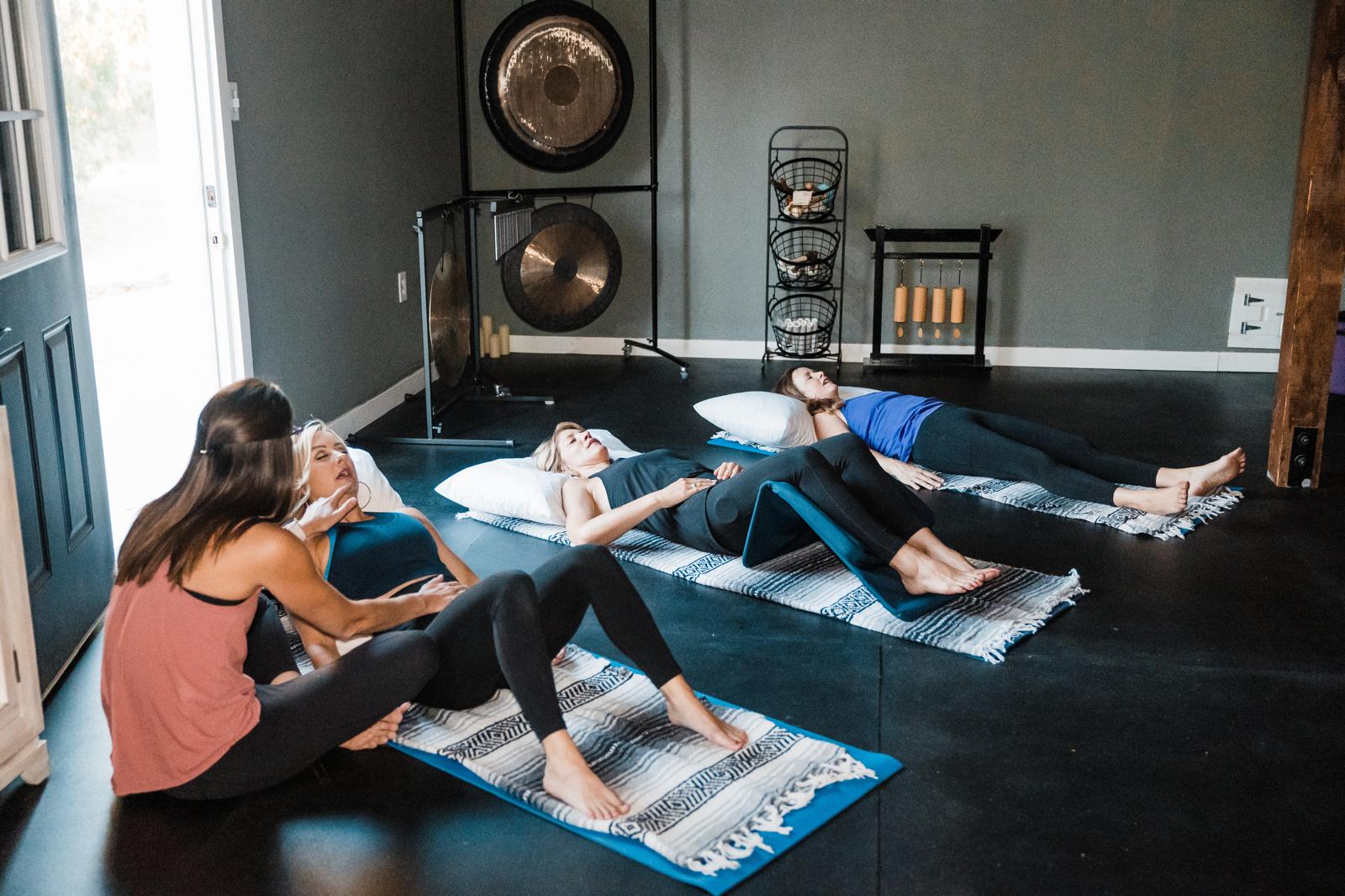
And this is where conscious connected breathwork can become such a powerful tool for self-discovery.
In Transformational Breath®, we work with a continuous, connected breathing pattern, allowing the inhale and exhale to flow without intentional pauses.
This approach can create an opportunity to move beyond our usual mental chatter and become aware of emotions, sensations, memories, and beliefs that may not ordinarily be in our conscious awareness.
I like to describe the breath as a gateway to the subconscious.
Not because every breath reveals a hidden memory or a buried truth, but because this deeper way of breathing can invite us into a different relationship with ourselves.
We may notice feelings we’ve been avoiding.
We may recognise an old belief that’s been influencing our decisions.
We may become aware of a familiar emotional pattern and, perhaps for the first time, feel ready to meet it differently.
And this brings us to one of the most beautiful aspects of transformational work.
Integration: Bringing Ourselves Out of the Shadows
For me, transformation isn’t about fixing ourselves.
It’s about becoming more fully ourselves.
We all have parts of ourselves that we’ve learned to hide, suppress, or push away.
Perhaps it’s the part that feels afraid.
The part that doesn’t feel good enough.
The part that learned it wasn’t safe to speak up, express anger, or ask for what it needed.
These parts don’t need to be judged or rejected.
They need to be acknowledged.
Integration is the process of bringing these hidden parts of ourselves out of the shadows and into the light of our conscious awareness.
It’s about meeting what we discover with acceptance, compassion, love, and understanding.
Rather than continuing to push those parts away, we create space for them to be seen, felt, and included.
And in doing so, we may begin to loosen the hold of old patterns and open ourselves to new possibilities.
This is the heart of Transformational Breath® for me.
Not forcing change.
Not chasing an emotional release.
But creating a supportive space where awareness, acceptance, and integration can unfold naturally.
Sometimes the experience is emotional. Sometimes it’s deeply peaceful. Sometimes it’s subtle, and the insights emerge in the days that follow.
Every experience is unique, and there’s no particular outcome that needs to happen.
The Beauty of the A.R.T. of Breathwork
What I love most about these three approaches is that they aren’t competing with one another.
They complement each other beautifully.
Awareness helps us become present with ourselves.
Regulation gives us practical tools to support our nervous system and navigate everyday life.
Therapeutic and Transformational Breathwork offers an opportunity for deeper self-exploration, emotional processing, and personal growth.
And we don’t have to choose just one.
Some days, all we need is a moment to notice our breath.
Other days, a few rounds of box breathing may help us feel more grounded.
And at certain points in our lives, we may feel called to explore something deeper within ourselves.
There’s a place for all of it.
The invitation is simply to become curious.
What might your breath have to teach you?
Ready to Explore Your Own Breath?
Whether you’re completely new to breathwork or curious about going deeper, I’d love to support you.
Through my work at The Breath of New Life, I offer opportunities to explore the breath through gentle practices, group Transformational Breath® sessions, and private sessions tailored to your individual needs.
You don’t have to know where to begin.
Sometimes the first step is simply becoming curious about your breath.
And that curiosity can open a beautiful new relationship with yourself.
Breathe. Become aware. Discover what’s possible.
Find Your Path: Book a Session
With love,
Mary
The Breath of New Life
Important note: Breathwork is not a substitute for medical or mental health care. More intensive conscious connected breathing can produce strong physical or emotional experiences and may not be suitable for everyone. Working with a qualified facilitator who can adapt the practice to your needs is important.
Frequently asked questions about the A.R.T. of Breathwork
What are the three parts of the A.R.T. of Breathwork?
A stands for Awareness, noticing your breathing and becoming present. R stands for Regulation, using intentional breathing patterns to support steadiness and relaxation. T stands for Therapeutic & Transformational breathwork, a deeper facilitated approach to self-exploration.
Is breathwork always about deep or intense breathing?
No. Breathwork includes simple observation, everyday breathing exercises and more intensive connected breathing. The right approach depends on what you want from the practice and your individual needs.
Do I need experience before joining a breathwork session?
Not necessarily. If you’re new to breathwork, you can start with awareness or gentle guided practices. For more intensive connected breathing, discuss your circumstances and suitability with a qualified facilitator beforehand.
Where can I explore breathwork in Cork or online?
Mary offers breathwork experiences through The Breath of New Life, including group and private options. You can book a session or contact Mary to discuss what might suit you.